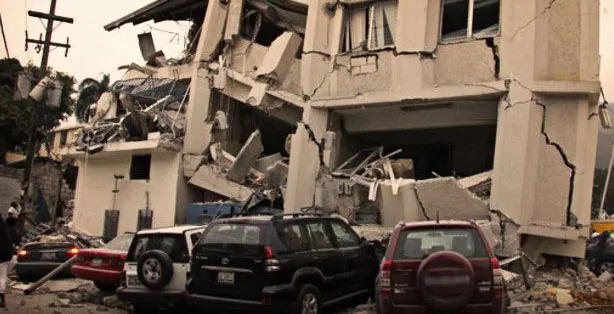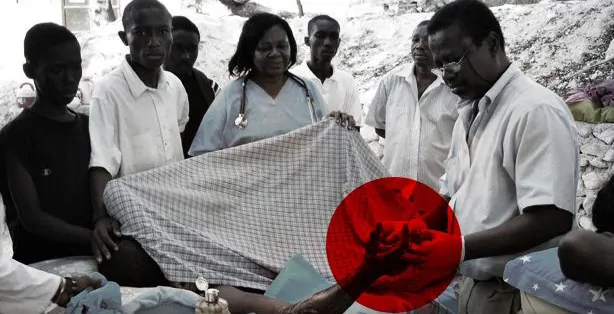





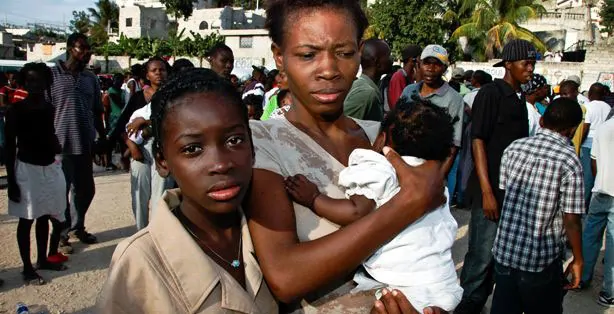
As they rush to save lives in the wake of the Haiti earthquake, aid workers also must address myths about disaster relief among the American public. Edward Brown, relief director for Christian humanitarian organization, World Vision, debunks five myths around disaster relief.
1. Collecting blankets, shoes and clothing is a cost-effective way to help.
The cost of shipping these items from around the country—let alone the time it takes to sort, pack and ship them—is prohibitive and entails much higher cost than the value of the goods themselves. World Vision has relief supplies already stocked in disaster-prone countries as well as in strategically located warehouses around the world. World Vision had supplies pre-positioned in Haiti in preparation for hurricane season, which allowed the agency to respond immediately to last week’s earthquake.
These supplies are designed to meet international standards for humanitarian relief and are packaged up and ready to deploy as soon as a crisis strikes. Cash donations are the best, most cost-efficient way to help aid groups deliver these life-saving supplies quickly, purchase supplies close to the disaster zone when possible and replenish their stocks in preparation for future disasters.
2. If I send cash, my help won’t get there.
Reputable agencies send 80 percent or more of cash donations to the disaster site; the rest is invested in monitoring, reporting and other activities that facilitate transparency and efficiency in their operations, as well as in sharing information with those who can help. Donors have a right and a responsibility to ask aid groups how they will be using those donations, and what will be done with donations raised in excess of the need. Transparent and effective organizations will readily provide that information.
3. Volunteers are desperately needed in emergency situations.
While hands-on service may feel like a better way to help in a crisis, disaster response is a highly technical and sensitive effort. Professionals with specialized skills and overseas disaster experience should be deployed to disaster sites. Volunteers without those skills can do more harm than good, and siphon off critical logistics and translations services. Qualified disaster professionals ensure that help is delivered effectively, safely and efficiently.
4. Unaccompanied children should be adopted as quickly as possible to get them out of dangerous conditions.
Hearing about the specific needs of children often sparks a desire to adopt children who seem to have lost their families. However, early in a crisis, children need to be protected, but should remain in their home countries until authorities can confirm the locations of their family members and explore adoption possibilities within their own communities and cultures. International adoption may be the best solution for some children, but it is too early to know for sure in the first weeks of a crisis.
5. People are helpless in the face of natural disasters.
Even in the poorest countries like Haiti, people often reveal a great deal of inner strength and often show a resourcefulness that can save lives … While support and aid are necessary, the Haitian people are by no means helpless.
For more information, check out World Vision ACT:S.